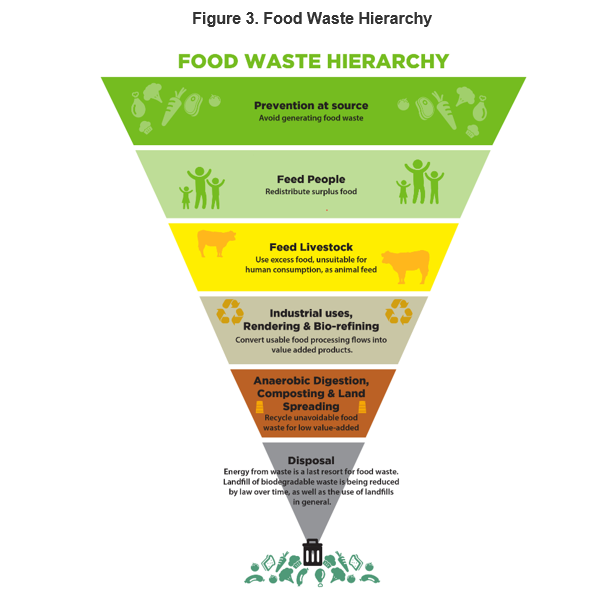








Anaerobic digestion is crucial for reducing organic waste, lowering greenhouse gas emissions, and generating renewable energy, making it a key solution for sustainable waste management and environmental preservation.
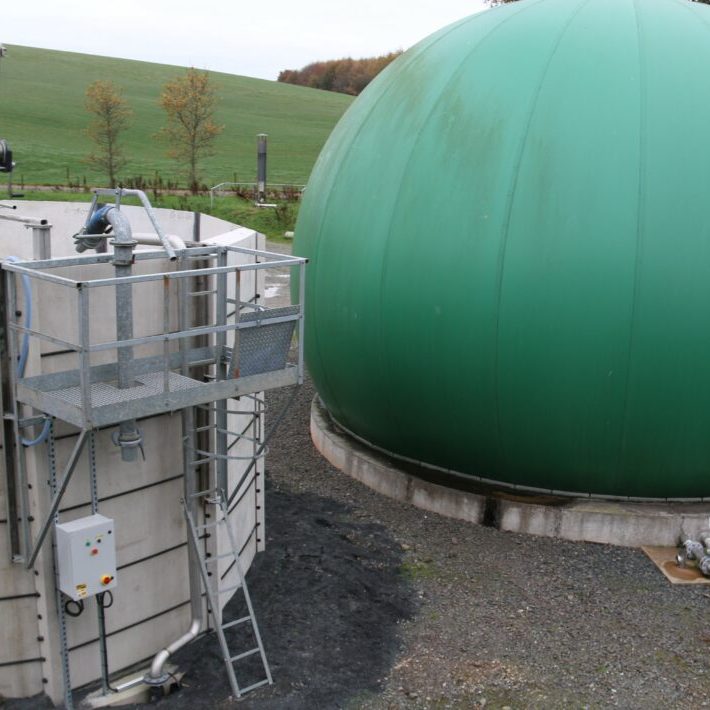
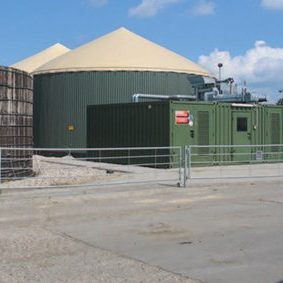
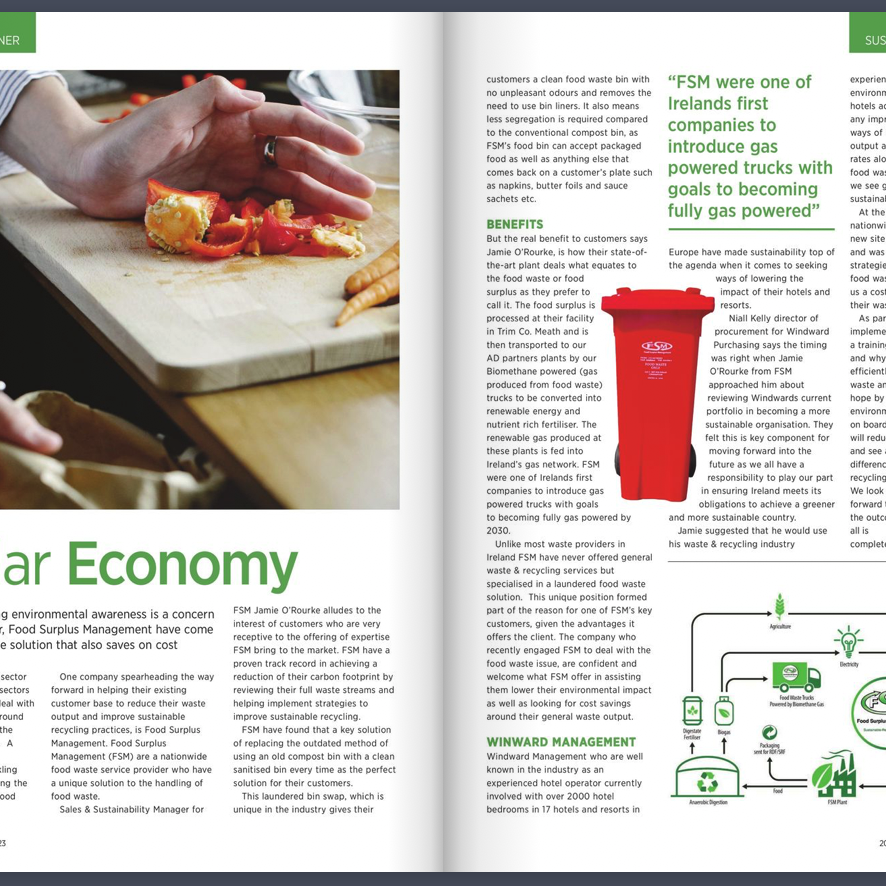
Anaerobic digestion (AD) is an innovative waste management process that involves the breakdown of organic materials, like food waste, agricultural residues, and even certain types of industrial waste, by microorganisms in an oxygen-free environment. During this process, bacteria decompose the organic matter in a sealed tank or digester, producing biogas—a mixture of methane and carbon dioxide. This biogas can be captured and used as a renewable energy source to generate electricity or heat, helping to offset fossil fuel consumption and reduce greenhouse gas emissions.